Blog
Pigeon Peak
By TT Travel • 1786371959
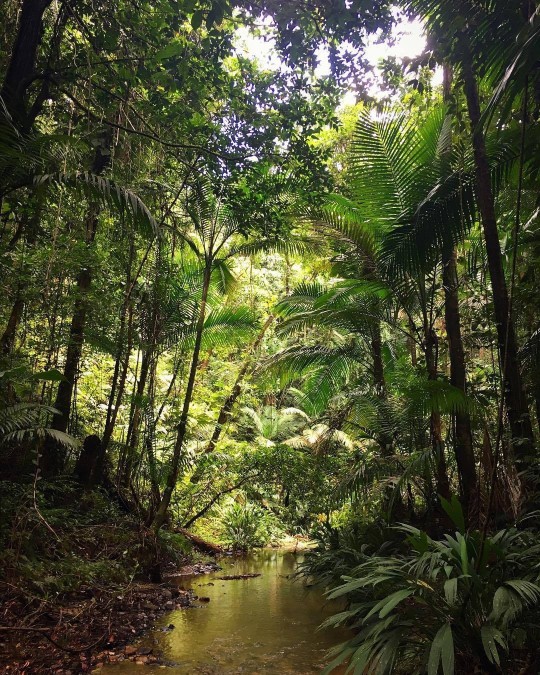
Long before Pigeon Peak became a quiet challenge for hikers and birdwatchers, this high ridge of Tobago was already claimed by the forest and the rain. In the 1760s, as European powers scrambled for control of the island and British surveyors carved Tobago into plantation lots, the upper slopes of the Main Ridge were deliberately left untouched. An ordinance of 1776 set them aside “for the purpose of attracting frequent showers of rain,” creating what is now recognised as the oldest legally protected rainforest in the Western Hemisphere.
The peak itself took its name from the flocks of pigeons that once filled these trees, especially the Blue-headed Wood Pigeon still occasionally glimpsed by those who walk the trails today. Early settlers and hunters followed old tracks through the dense forest; later, a plantation road cut into the hillside, only to be slowly reclaimed by the jungle.
For generations, the ridge remained a remote, living barrier between the leeward and windward coasts, its steep slopes and thick canopy keeping both people and plantation axes at bay. Migration and changing fortunes eventually quietened the surrounding hills, but the forest endured.
Today Pigeon Peak stands as one of Tobago’s highest points, rising roughly 525–550 metres above the sea.
The climb still passes through the same ancient rainforest, past streams and palms, until the canopy thins and the views open across Speyside, Charlotteville, the Atlantic, and, on clear days, Little Tobago. It remains a powerful reminder of Tobago’s layered past: colonial ambition, early conservation, and the quiet resilience of the land itself.
Discover more of Tobago’s rich history, hidden trails, attractions, restaurants, accommodations, tours, and secret spots with the Bago TT App and Tour Tobago.
Interested in having your business featured on Tour Tobago and listed on the Bago TT App? Send us a message today.